
The chamber as a long-term asset
Hyperbaric chamber lifespan, warranty, and resale value
A soft-shell hyperbaric chamber lasts 5 to 10 years; a 304 stainless-steel hard-shell runs 20 to 30+. Warranty terms run from 90 days to "lifetime", and the fine print decides what they are worth. Documented units resell at 50 to 65% of purchase price after five years.
The direct answer
How long does a hyperbaric chamber last?
Soft-shell: 5 to 10 years. Hard-shell: 20 to 30+. The difference is not marketing, it is materials: an inflatable fabric shell versus a steel pressure vessel.
A hyperbaric chamber is two assets sharing a name. The pressure envelope (the shell or the vessel) sets the ceiling on lifespan, and the equipment bolted to it (compressor, concentrator, seals, sensors) sets the maintenance rhythm underneath. A soft-shell's envelope is an inflatable fabric bladder with zippers and welded seams, and it serves 5 to 10 years with care. A hard-shell's envelope is a 304 stainless-steel pressure vessel, which runs 20 to 30+ years with scheduled maintenance. External guidance lands in the same place: AirVida's lifespan guide puts soft-shells at 5 to 10 years and hard-shells at 10 to 20+, with the vessel itself at 20 to 30.
| Chamber type | Typical lifespan | What wears first | Source anchor |
|---|---|---|---|
| Soft-shell (inflatable, 1.3–1.5 ATA) | 5–10 years with care | Zippers, shell fabric, seams, tubing | Our maintenance and cost pillars; AirVida agrees (5–10 years, well-maintained) |
| Hard-shell (304 stainless-steel vessel, up to 2.0 ATA) | 20–30+ years with scheduled maintenance | Door seals, valves, acrylic viewports, compressor, electronics | Our maintenance, best, and cost pillars; AirVida puts hard-shells at 10–20+ |
| Clinical multiplace (ASME PVHO-1 vessel) | Decades under an inspection regime | Everything bolted to the vessel: seals, viewports, life-support systems | Vessel certification and periodic inspection keep these in service |
The sentence to remember from our maintenance guide: the vessel outlasts everything bolted to it. That single fact organizes the rest of this page, because it means lifespan is really two questions: how long the envelope lasts (this section), and how long the components last (the next one). The hard-shell vs soft-shell comparison covers the buying side of the same materials split.
The parts that actually age
What actually wears out: component lifespans
The chamber itself rarely fails first. Here is what does, and in the order it usually happens.
Chambers do not die; components wear out on their own schedules, and the owner who knows the schedule never mistakes a worn part for a dead chamber. The compressor does the heaviest mechanical work and eats 40 to 60% of the upkeep budget. The concentrator's sieve beds degrade over years, not months, with heat, humidity, dust, and oily intake air as the accelerants (the chemistry is in our oxygen concentrator guide). Seals and zippers age on the calendar as much as on the clock, and the oxygen sensor is a consumable instrument with a 1 to 2 year service life.
| Component | How it wears |
|---|---|
| Air compressor | The hardest-working part of the system: 40–60% of the total upkeep budget. Wears with run hours; a standing replacement fund beats an emergency purchase |
| Oxygen concentrator + sieve beds | Sieve beds degrade over years, not months; hot, humid, dusty, or oily intake air shortens their life. Hour meters on the concentrators tell the real story |
| Zippers, seals, gaskets | Wear items by design: they age on the calendar as much as on the clock, and they are usually the first parts to need replacement |
| Oxygen sensor | A consumable instrument with a 1–2 year service life; drifting readings are the early warning sign |
| Pressure vessel (304 stainless) vs acrylic | The vessel itself is essentially indefinite under pressure testing and inspection; acrylic viewports are wear items with their own care rules. The vessel outlasts everything bolted to it |
One instrument ties all of this together: the total-working-time counter. Every Superhuman chamber's LCD monitoring logs the hours the machine has actually run, which makes the counter the asset's odometer for service intervals, warranty conversations, and resale alike. The full hour-based service logic is in the maintenance guide's working-time section; the replacement schedule and parts pricing live there too, so we do not repeat them here.
The levers you control
What shortens or extends the life
Two chambers of the same model can be ten years apart in real condition. Four factors decide which one you own.
Duty cycle. Wear tracks hours, not birthdays. A home chamber at three hours a week accumulates roughly 150 hours a year; a clinic chamber at 40+ hours a week passes 2,000. Same model, same calendar age, completely different machines. This is why the hour counter, not the model year, is the right way to talk about age.
Climate and placement. A concentrator breathes room air: clean, cool, dry intake air extends sieve-bed life, while hot, humid, or dusty rooms tax both the concentrator and the compressor. Room climate is an installation decision, and the installation guide covers the placement and ventilation requirements in detail.
Service history. Maintenance does double duty: it extends the resource of the machine, and it creates the documentation that protects the value of the asset. A chamber with a complete service log is worth more than an identical one without it, which is why this factor is also the bridge to the resale sections below.
Construction. Durability can be built in or bolted on, and the difference shows up at year ten. Every Superhuman vessel is pressure-tested to 150% of its rated pressure in an ASME-certified factory, with independent PVHO-1 pressure testing on every vessel. The S1's soft shell uses 5-class TPU (non-yellowing, aging-resistant, UV-resistant, anti-oil, anti-water) with high-frequency welded seams, and the hard-shell line is built on a zero-flex 304 stainless-steel architecture rated for decades of daily use. The safety guide walks the certification chain behind those claims.
Market survey
The warranty landscape: from 90 days to "lifetime"
Headline terms span 90 days to "lifetime", but the columns to the right are what a warranty is actually worth. Every term below is from the vendor's own published page.
The tier overview (1 year, 2 year, component-tiered, 10 year, "lifetime") already lives in our maintenance guide's warranty table, so we do not repeat it. This table goes one level deeper, into the fine print that decides real coverage: hours caps, parts-only drift, labor and shipping, and transferability. Where a vendor does not publish an answer, the cell says so, because unpublished is itself information.
| Vendor | Headline term | Hours cap | Parts, labor, shipping | Transferability |
|---|---|---|---|---|
| Oxify (soft-shell) | 1 year shell/zippers/seams; 90 days compressors and accessories | None published | Not published | Explicitly not transferable |
| Clarity (via HBOT For Sale) | 1 year, parts | None published | Parts from day one; labor and shipping not stated | Not published |
| OxyEdge (hard-shell) | Component-tiered: 5/3/3/3 years by component | None published | Parts only after year 1; consumables separate | Transferable for a fee |
| Prestige Hyperbaric | 3 years residential / 1 year commercial | 1,000 hours of use | Exhaustive exclusions list | Used chambers excluded |
| OxyNova | "Lifetime" on defects in materials and workmanship | None published | Wear and tear excluded; shipping/labor not stated | Silent (a dealer advertises transferable) |
| Superhuman | 2-year warranty on parts + lifetime support | No hours cap | Remote diagnostics, replacement parts, a real engineer on the line | Not advertised; ask us in writing before you buy or sell |
Sources, in table order: Oxify, Clarity via HBOT For Sale, OxyEdge, Prestige, and OxyNova. Our own row: Superhuman chambers ship with a 2-year warranty on parts plus lifetime support, meaning remote diagnostics, replacement parts, and a real engineer on the support line, with no hours cap. The next two sections decode what fine print like this means in practice.
The decoder
Warranty fine print: five lines that decide what it is worth
Five lines in the warranty decide what it is actually worth. Read them before the headline number, and apply them to us too.
- 01
Hours and cycle caps
A term in years means nothing if a usage cap expires first. Prestige publishes a 1,000-hour cap on its 3-year warranty: at clinic duty of about 60 hours a week, that is roughly four months of coverage, not three years. Always ask for the cap in writing.
- 02
Parts-only drift after year one
Many warranties quietly convert to parts-only after the first year (OxyEdge publishes exactly this). The part is often the smaller bill; the technician and the logistics are the larger one.
- 03
Labor and shipping
Who pays the technician, and who pays freight on a chamber-sized component? Industry practice puts shipping on the buyer after year one. A "free" repair with chamber-sized freight is not free.
- 04
Wear-and-tear exclusions
The parts that actually fail first (zippers, seals, bladders, filters) live 3 to 10 years and are classed as "wear", not "defects". One exclusions sentence can swallow the entire headline term.
- 05
Transferability
A warranty that dies with the first owner is worth zero at resale. Some vendors transfer for a fee, some exclude used chambers explicitly, and many are simply silent: silence is an answer too.
The honest version applies the decoder to ourselves. Our exclusions are published in plain language in our terms of service (section 14): consumables, filters, hoses, seals, accessories, and parts with a limited useful life are excluded, along with normal wear and tear, misuse, unauthorized repairs or parts, improper installation, and power or environmental damage. Warranty service runs on proof of purchase, photos or video, and remote diagnostics, and the remedy is repair, replacement, or parts, not an automatic refund (the return policy states this separately). We would rather you read that list before purchase than discover it during a claim; a warranty you can decode is worth more than a longer one you cannot.
Six questions
"Lifetime warranty" decoded: six questions to ask any vendor
"Lifetime" is the strongest word in this market and the least defined. These six questions turn it into something you can compare, whoever you buy from.
- 01
What is "lifetime"?
The owner's life, the expected product life, or the company's life? A soft-shell bladder has a 5 to 10 year physical life: if end-of-life wear is not a "defect", the promise expires with the part.
- 02
What counts as a defect vs wear?
The components that fail first are exactly the ones wear-and-tear exclusions typically swallow. The definition decides whether the warranty survives year six.
- 03
Is there an hours or cycles cap?
Caps exist in this industry (one vendor publishes 1,000 hours on a "3-year" term). "Lifetime" with no stated cap is either generous or unpriced risk; the buyer cannot tell which.
- 04
Who pays shipping and labor?
Freight on chamber-sized parts is a real bill. If the page does not say who pays, assume it is you.
- 05
Is it transferable?
Transferability is a documented resale-value driver. If the warranty dies with the first owner, the chamber is worth less the day you sell it.
- 06
Who stands behind it in 15 years?
A warranty is only as good as the company behind it: claims process, repair-vs-replace policy, parts availability, and whether the vendor will exist to answer the phone.
Apply the six questions to the market's most visible lifetime claim and the exercise shows its value. OxyNova's lifetime-warranty page promises coverage of defects in materials and workmanship for personal and commercial use, and cites more than two decades of chambers still working. Measured against the six questions, that page answers two of six (what counts as a defect, and that wear is excluded) and leaves the cap, shipping and labor, transferability, and long-term backing unstated. On transferability specifically, at least one dealer advertises the warranty as transferable while the manufacturer's own page is silent: a discrepancy worth resolving in writing before it matters at resale. This is not an attack on a competitor; serious vendors in this market (OxyEdge, Prestige) answer most of the six in writing, and the questions are the instrument either way.
Our own answers, in writing: Superhuman chambers carry a 2-year warranty on parts with the exclusions published (question two), no hours cap (question three), and lifetime support behind it: remote diagnostics, replacement parts, and a real engineer on the line, which is our answer to question six. On shipping, labor, and transferability we tell you to ask in writing, because that is what we would want answered. The short version of our position: we would rather promise two years in writing than a lifetime in fine print.
The exit value
Resale value: what a used chamber is actually worth
The market publishes exactly one depreciation data point and a handful of price ranges. Here they are, cited, plus the mechanics that move a unit inside the range.
The anchor number: a hyperbaric chamber with a documented service history typically retains 50 to 65% of its purchase price after five years, according to the market's one direct resale guide (HBOT For Sale). Note the condition attached: documented. The depreciation figure is not a property of the machine alone; it is a property of the machine plus its records.
| Segment | Market reference | Source |
|---|---|---|
| Used soft-shell | $3,000–$10,000 | Oxygen Health Systems (snippet-level) |
| Used hard-shell | $10,000–$70,000 | Oxygen Health Systems (snippet-level) |
| Used clinical multiplace | $200,000–$2,000,000 | Hyperbaric Store price guide |
| Documented chamber, 5 years old | 50–65% of purchase price | HBOT For Sale resale guide |
Two of these sources deserve a transparency note. The Oxygen Health Systems ranges ($3–10k soft, $10–70k hard) are snippet-level: their page was not fully retrievable at audit, so treat them as directional. The Hyperbaric Store multiplace guide is a dealer price list, which makes it real listings rather than theory.
What holds value, in order of how much control you have over it. Service records: as our maintenance guide puts it, a chamber with a documented service history sells like a car with one. Hours on the counter: the odometer again; low, verifiable hours beat a vague "barely used". Brand and certifications: a pressure-tested, standards-anchored vessel with paperwork is easier to resell than an anonymous import, which is why both our hard-shell and soft-shell guides list resale value among the buying criteria. Transferable warranty: HBOT For Sale lists it as a value driver, which is the practical reason the six questions above matter. And movability: a chamber is movable equipment, so it can convey with a home sale as a negotiated item or move with you to the next house (the home wellness room guide covers the property angle).
If you are shopping used
Looking at a used chamber: the honest checklist
We sell new chambers only, so we have nothing to gain from steering you away from a used one. That is exactly why this checklist is worth reading.
Our position is simple: we do not sell used chambers, and we think a buyer deserves the same due-diligence list we would run ourselves. The used market's own guide asks the right question (Hyperbaric Central): can this chamber still be repaired, and by whom, after its warranty runs out? Every item below is an attempt to answer that before money moves.
- 01
Hours on the total-working-time counter, not the calendar age: the odometer, not the model year
- 02
Complete service records: filters, seals, calibrations, valve tests, parts replaced
- 03
A current pressure-test certificate for the vessel
- 04
Physical condition of seals, zippers, and viewports: the wear items you will pay for first
- 05
Warranty remainder and transferability, in writing from the manufacturer, not the seller
- 06
Replacement-parts pricing and whether the vendor still exists and answers the phone
Now the arithmetic, using only the cited ranges from the previous section. A used hard-shell at $10,000–$70,000 typically arrives without a warranty (transferability is the exception, not the rule), without verified service history unless the seller kept records, and with wear items (seals, viewport, sensor, possibly compressor hours) that start billing you immediately. Add refurbishment and freight, and the gap to a new chamber with a 2-year warranty, lifetime support, and white-glove installation narrows fast.
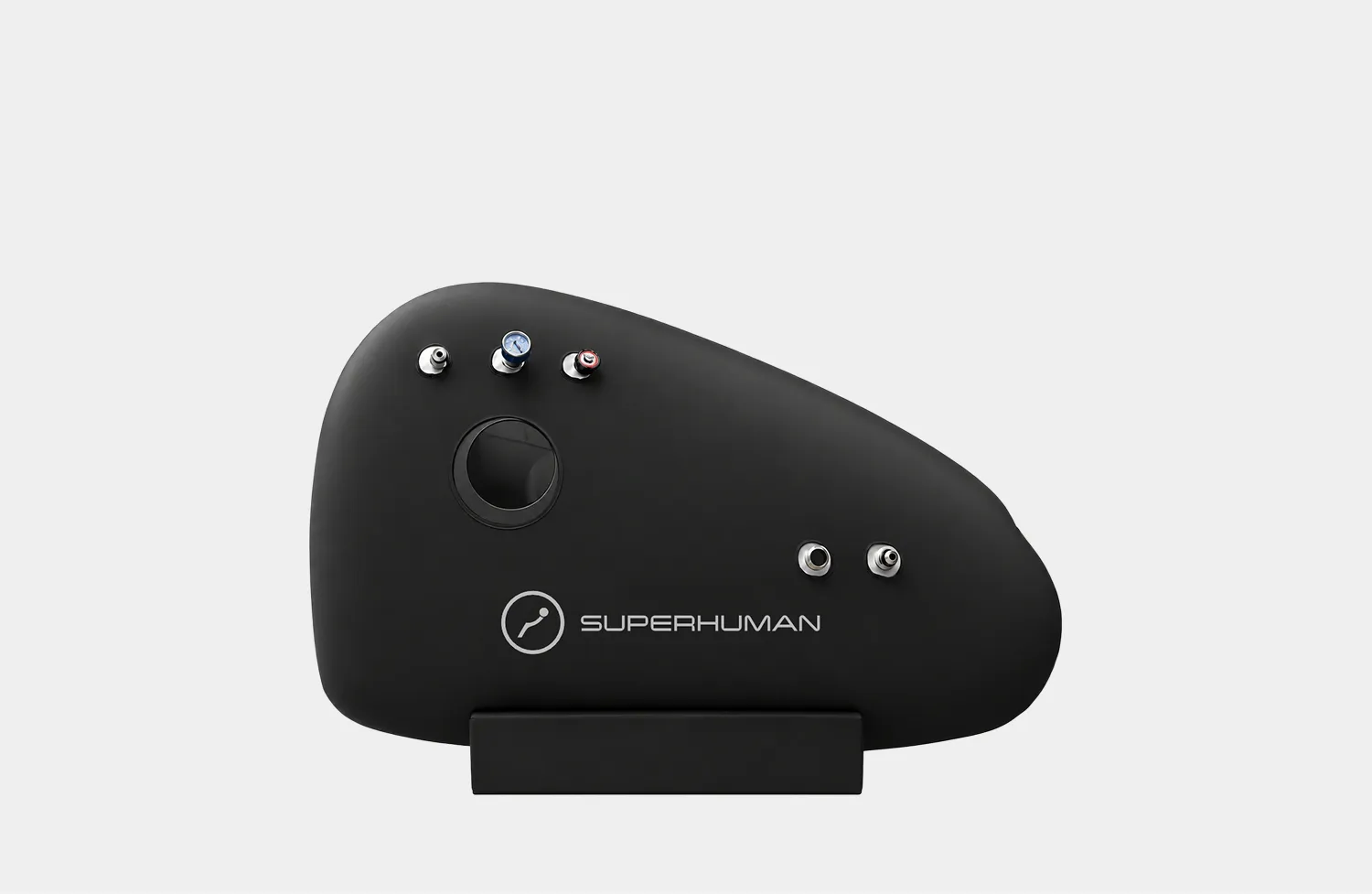
Sometimes used is the right call, especially at the bottom of the range with full records. Just run the checklist first, and get the warranty answer from the manufacturer, not the listing. The full buyer-side breakdown is in our new vs used hyperbaric chamber guide. If you are weighing used against renting or financing new, the rental vs buying guide and financing guide complete the picture.
The worked math
Cost per year of ownership: the formula, applied
One formula compares any two chambers on equal footing: (price − residual + maintenance) ÷ years. Here it is against our own lineup, honestly labeled as a model.
Sticker price is the worst way to compare chambers, because it ignores the two numbers this page exists for: how long the asset serves and what it is worth when you sell. The formula is (purchase price − residual value + lifetime maintenance) ÷ years of service. The table models the first five years for each Superhuman chamber, using the market's 50–65% residual point and our ~$400/year all-in maintenance figure (no proprietary consumables, no required service fees). Electricity is deliberately excluded from the table: at about $2 per session it is usage-dependent, not ownership-dependent.
| Model | Price | Service life | Modeled 5-yr residual (50–65%) | Modeled net cost/yr, years 1–5 |
|---|---|---|---|---|
| Superhuman S1 (soft-shell) | $15,000 | 5–10 years | $7,500–$9,750 | $1,450–$1,900 |
| Superhuman L1 (hard-shell) | $49,000 | 20–30 years | $24,500–$31,850 | $3,830–$5,300 |
| Superhuman X (hard-shell) | $110,000 | 20–30 years | $55,000–$71,500 | $8,100–$11,400 |
| Superhuman T2 (hard-shell, 2 seats) | $125,000 | 20–30 years | $62,500–$81,250 | $9,150–$12,900 |
| Superhuman T4 (hard-shell, 4 seats) | $169,000 | 20–30 years | $84,500–$109,850 | $12,230–$17,300 |
Three honesty notes on this table. First, the residual column is modeled, not promised: 50–65% at five years is the market's single published point, it assumes documented service history, and no one publishes a premium-segment depreciation curve. Second, the hard-shell rows get better with time: the table stops at year five, but a vessel with a 20 to 30 year resource keeps dividing its cost for decades, which is where hard-shell economics pull away. Third, the S1's 5 to 10 year service life is the counter-example that proves the rule: replace a soft-shell twice in twenty years and the ownership math favors steel, the same conclusion our cost guide reaches from the TCO side.
Two boundary lines so nothing double-counts. Purchase TCO, per-session cost, and the $0 installation invoice belong to the cost guide. Tax treatment (Section 179 expensing, bonus depreciation) belongs to the financing guide; depreciation on this page means market value, not the tax kind. Browse the full lineup for current pricing.
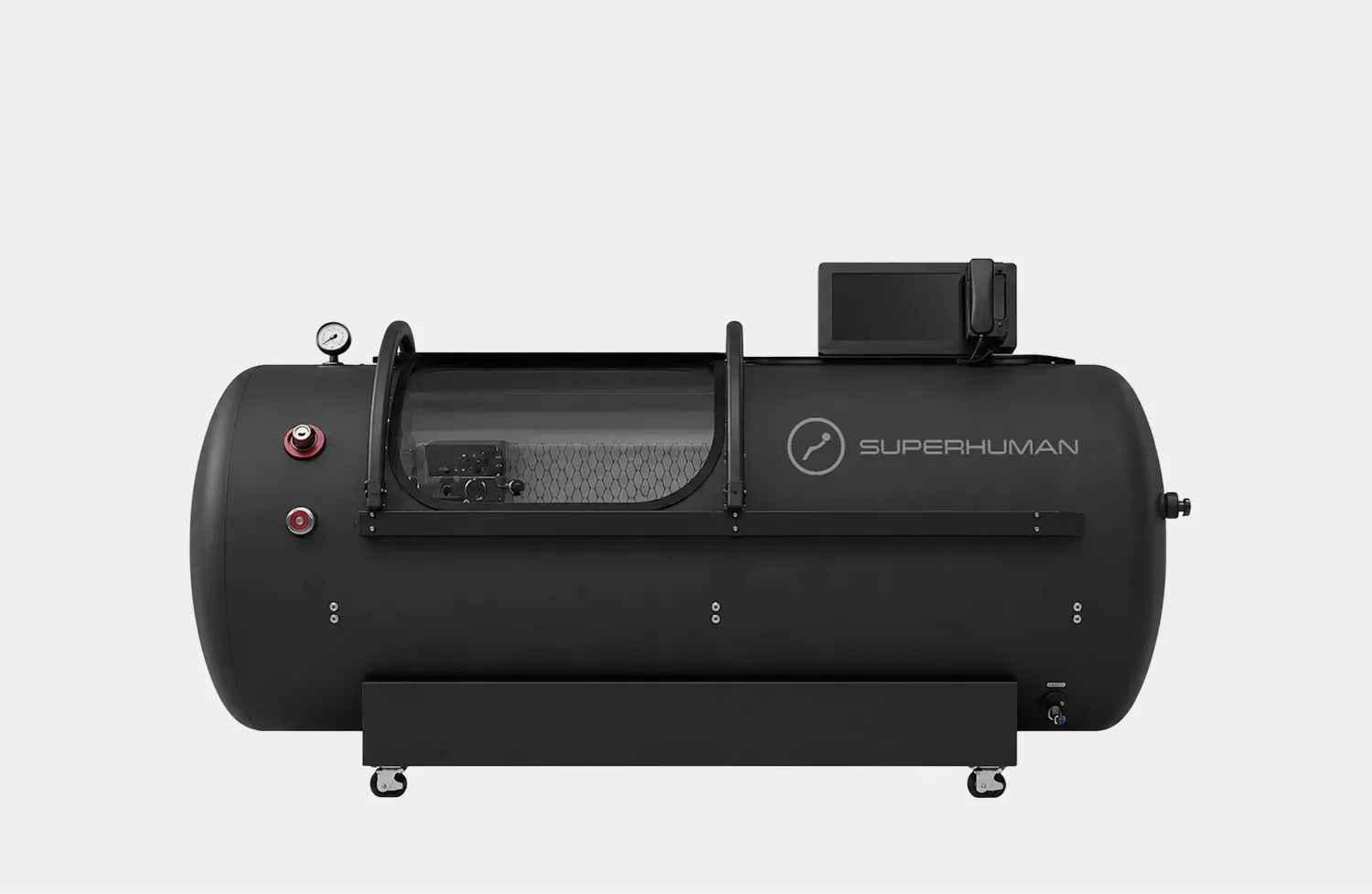
Superhuman L1: 2.0 ATA steel vessel, the lowest cost per year in the hard-shell line
Superhuman L1, $49,000 →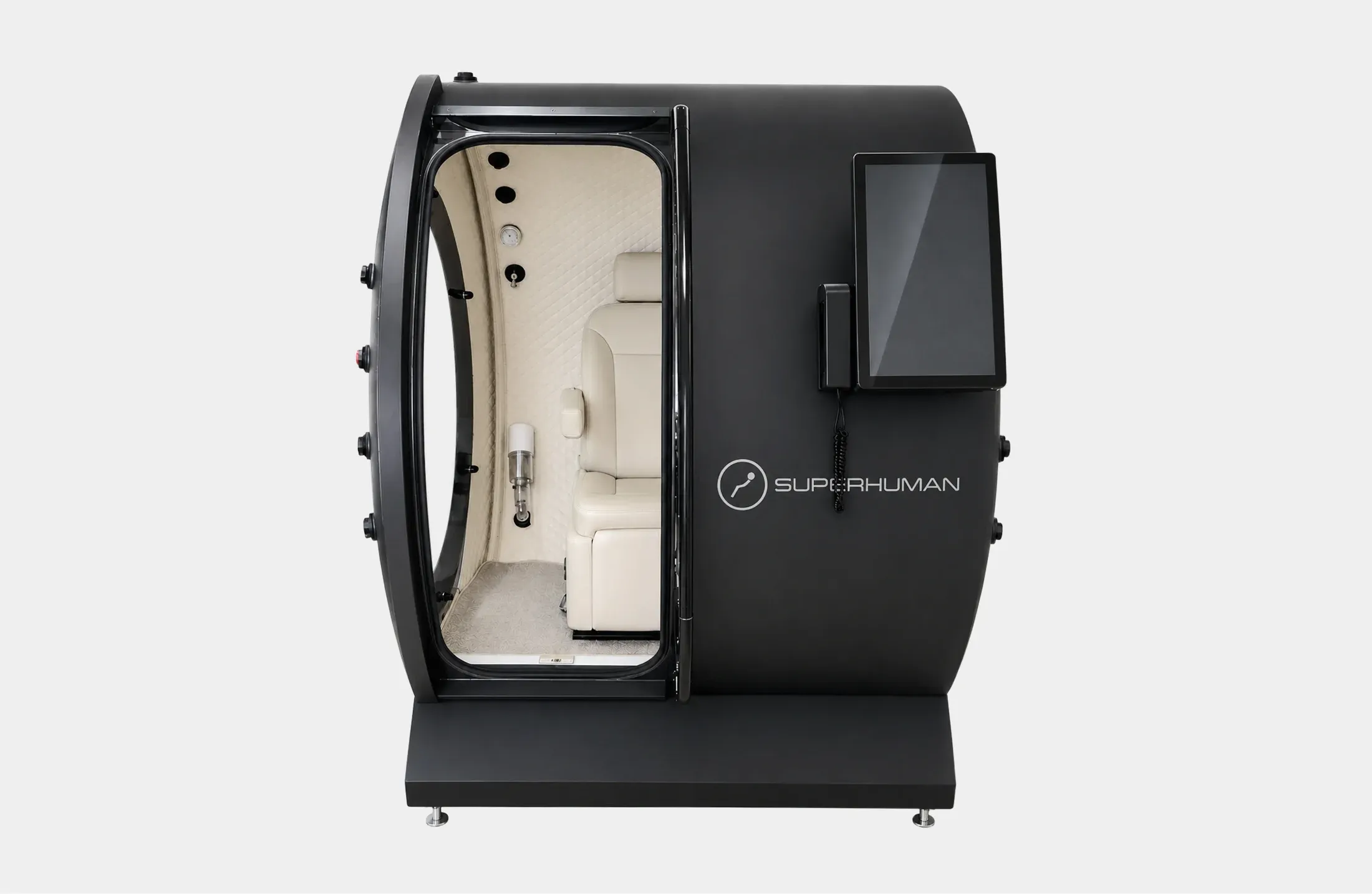
Superhuman X: zero-flex 304 steel, pressure-tested to 150% of rating, built for decades
Superhuman X, $110,000 →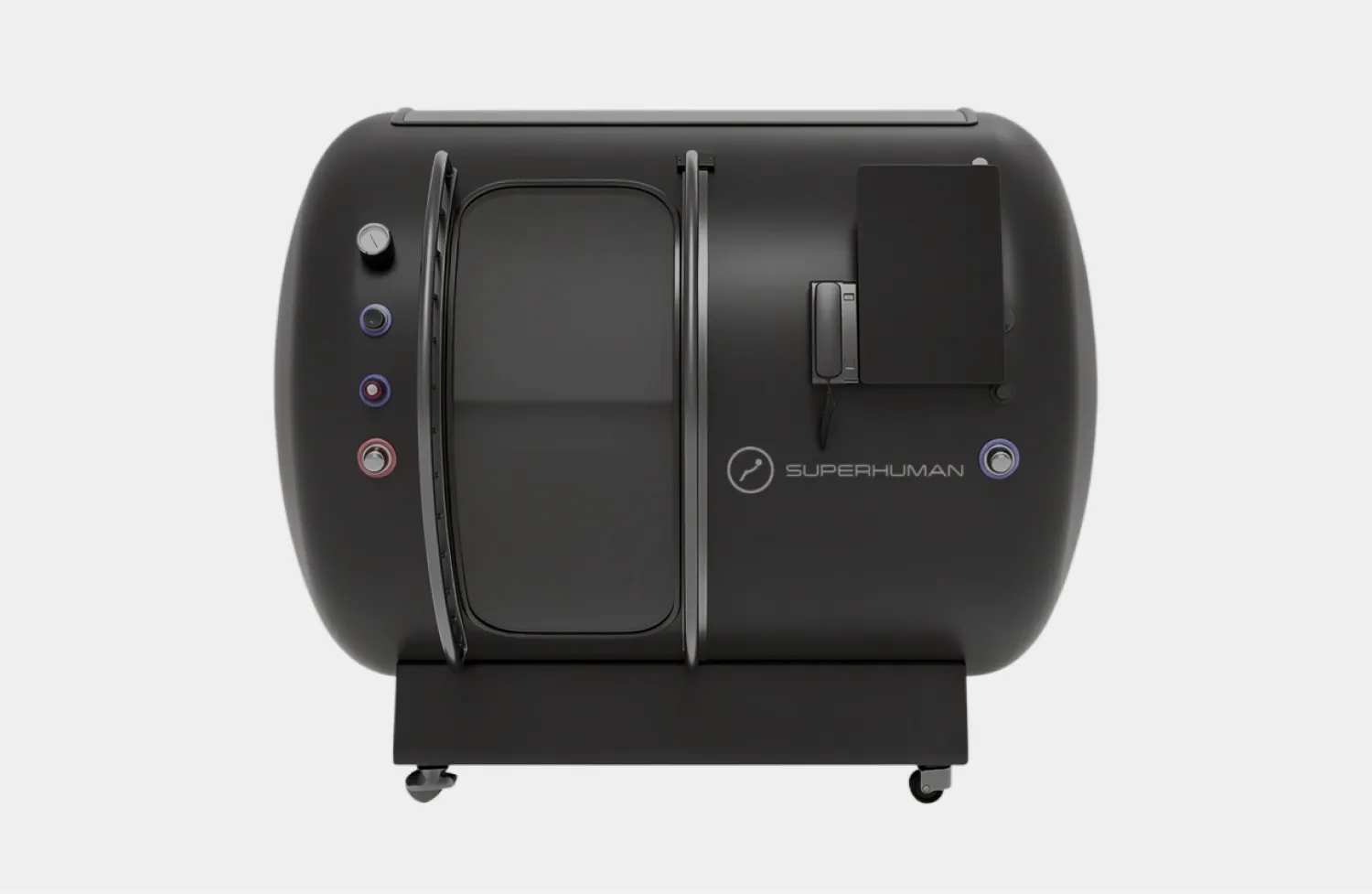
Superhuman T2: two seats, built for 20+ years of daily operation, 2-year warranty + lifetime support
Superhuman T2, $125,000 →Decision rules
Repair or replace: the decision rules
Four rules cover nearly every repair-versus-replace call an owner will face, and they all follow from the economics above.
- 01
Steel vessel: repair
A 304 stainless vessel is a 20 to 30+ year asset under pressure testing. Compressors, seals, sensors, and electronics are bolted to it and are meant to be replaced; the vessel is not the part that dies.
- 02
Soft-shell: compare against residual
When a repair quote exceeds about 50% of what the chamber is worth used (see the resale table), replacement is usually the rational move, because the shell, zippers, and seams are all aging on the same clock.
- 03
Compressor: fund it before it fails
The compressor is 40–60% of the upkeep budget and the most likely big bill. A standing replacement fund turns an emergency into a scheduled swap (the maintenance guide makes the same recommendation).
- 04
Clinic math: count the downtime
A chamber down is not earning. For a commercial operator, lost sessions during a slow third-party repair can cost more than the repair itself; parts availability and remote diagnostics are worth real money.
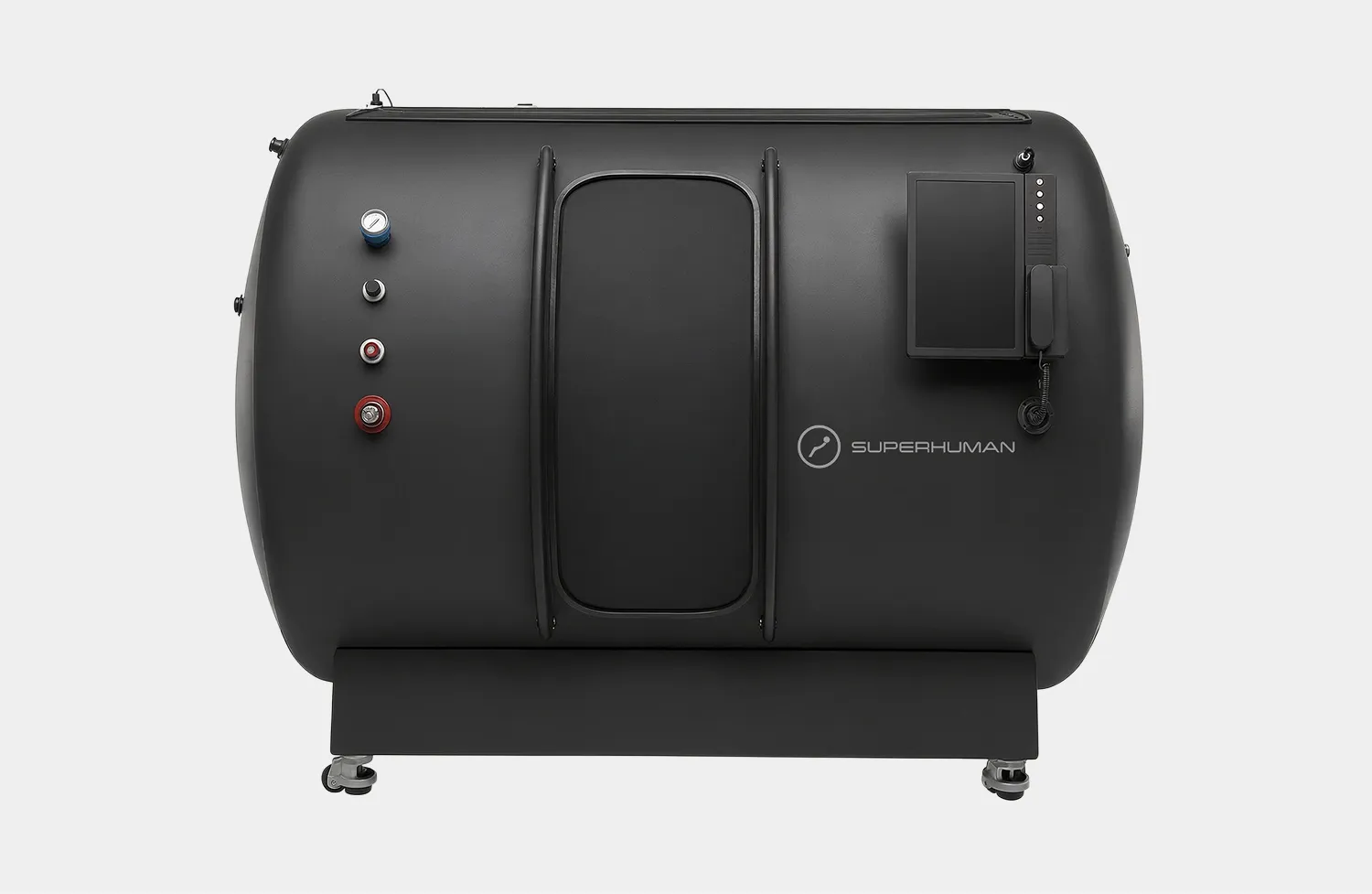
The pattern behind the rules: a chamber is a vessel plus a maintenance plan plus a paper trail, and only the first of those is hard to replace. Keep the vessel, fund the wear items, and keep the records, and the replace decision almost never arrives. The maintenance and service guide is the operating manual for that approach; the best chambers guide makes the same downtime point from the buyer's side: a chamber down is not earning.
Weighing a chamber for your own facility or home? Book a consultation and we will walk the ownership math against your actual usage: hours per week, space, and service plan included.

FAQ
Lifespan, warranty, and resale questions
How long does a hyperbaric chamber last?
By type: a soft-shell chamber serves 5 to 10 years with care, a 304 stainless-steel hard-shell runs 20 to 30+ years with scheduled maintenance, and a clinical multiplace vessel runs for decades under inspection. The components on the vessel are a separate clock: compressors, sieve beds, seals, and oxygen sensors wear on hours and years regardless of what the vessel could do. As an asset, the chamber is only as old as its service history says it is.
Is a lifetime warranty on a hyperbaric chamber worth it?
It depends entirely on six definitions the headline does not give you: what "lifetime" means, what counts as a defect versus wear, whether there is an hours cap, who pays shipping and labor, whether it transfers, and who stands behind it in 15 years. Wear-and-tear exclusions are the big one: the parts that fail first (zippers, seals, bladders) are usually classed as wear. A clearly written 2 to 5 year warranty with a service network behind it can be worth more than an undefined "lifetime".
Does a hyperbaric chamber warranty transfer if I sell it?
Sometimes, and the variance is huge: some vendors transfer for a fee, some explicitly exclude used chambers, and many are silent. Ask the manufacturer (not the seller) in writing before you buy or sell, because transferability is a documented resale-value driver. Our own position is documented plainly rather than stretched: Superhuman chambers carry a two-year warranty on parts plus lifetime support, and we do not advertise transferability we have not put in writing. Ask us before purchase and we will answer in writing too.
What is a used hyperbaric chamber worth?
The one solid market data point: a chamber with documented service history typically retains 50 to 65% of its purchase price after five years (HBOT For Sale). Absolute used ranges run about $3,000 to $10,000 for soft-shells and $10,000 to $70,000 for hard-shells (snippet-level figures from Oxygen Health Systems), and $200,000 to $2,000,000 for used clinical multiplace systems (Hyperbaric Store). Hours on the counter, service records, and warranty transferability move any individual unit inside those ranges.
How many hours is "a lot" on a hyperbaric chamber?
Think of the total-working-time counter as the chamber's odometer: a home unit at three hours a week accumulates about 150 hours a year, while a clinic chamber at 40+ hours a week passes 2,000. Calendar age tells you almost nothing by comparison; a five-year-old home unit can have fewer hours than a six-month-old clinic unit. Service intervals, wear, and resale value all track the hours, which is why every Superhuman chamber logs total working time on its LCD monitoring. The maintenance guide covers hour-based service in detail.
When should you replace a hyperbaric chamber instead of repairing it?
On a hard-shell, almost never because of the vessel: steel vessels are repaired, not replaced, and the wear items are designed to be swapped. On a soft-shell, replace when a repair quote exceeds roughly half the chamber's used value, because the shell, zippers, and seams age together and one repair rarely resets the clock. For a business, add downtime to the math: lost sessions during a slow repair can exceed the repair bill, which makes parts availability and remote diagnostics part of the decision.
Does a home hyperbaric chamber hold its value?
Better than most home equipment, for two structural reasons. First, a chamber is movable equipment: it can convey with a home sale as a negotiated item or move with you to the next house, so it is an asset rather than a sunk renovation. Second, value retention is documentable: the same service log and hour counter that drive the 50 to 65% five-year market figure are fully within a home owner's control. A documented home unit at low hours is exactly what the used market pays the most for.
Last updated: September 2026. Competitor warranty terms and resale figures are quoted from the vendors' own published pages (see Sources) and can change; confirm terms with the vendor before purchase. Figures marked modeled are estimates built on the cited market data point, not guarantees of resale value. This guide is educational and is not financial, legal, or tax advice.